
Should you buy annuals or perennials for your flower garden?
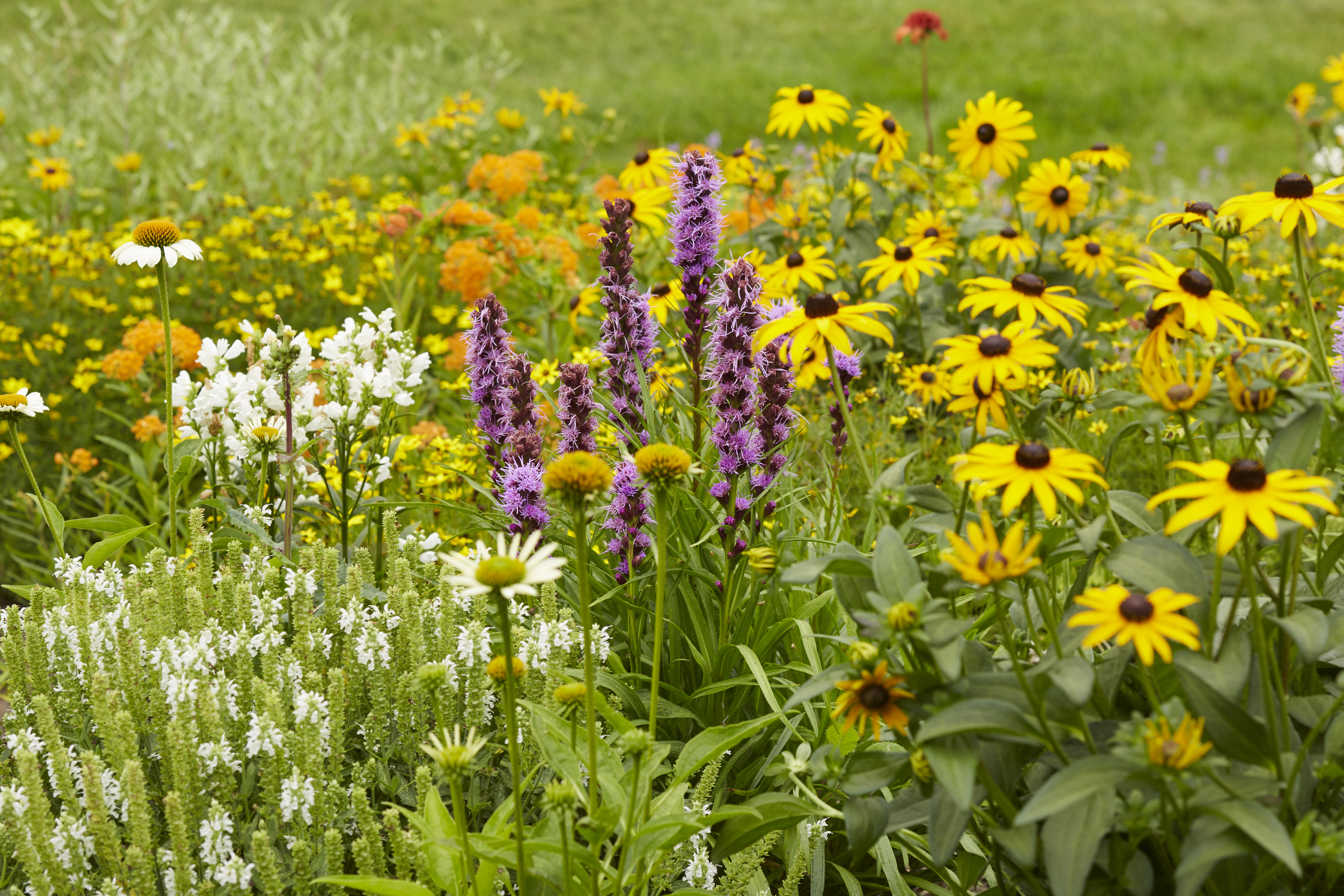
As you head out to your local garden center or nursery, the array of flower shapes and colors can sometimes be overwhelming. When deciding which flowers to buy, it helps to know that some flowers are annuals, meaning they will only bloom for one season and will need to be replaced the following year. Other flowers are perennials that will come back year after year.
Know your hardiness zone
Before you head out to the garden store, be sure you know your hardiness zone. The USDA Plant Hardiness Zone Map can help you figure out what garden zone you live in and which perennials will grow well in your zone. You’ll find that most perennial plants at your local nursery will have a tag that lists which zones the plant is best suited for.
Benefits of annuals
Filling your garden with annual flowers offers the following advantages over choosing perennials.
Long season of bloom. Annual flowers, which complete their life cycle in one season, can produce lots of blooms over several months or weeks. Many annuals, such as petunias, zinnias, geraniums and begonias, can bloom from late spring into early fall, providing abundant color throughout the gardening season.
Quick color. Annuals are often already blooming when you buy them, “so you can have display-ready plants faster than with many perennials,” says Linda Vater, author of “A Year of Garden-Inspired Living” and garden expert for Southern Living Plant Collection. “They’re great for done-in-a-day projects when company is coming, and you need to make those porch planters shine in a hurry.”
Short-term commitment. Because they only last for one season, annuals allow you to try out new color schemes and garden designs without any long-term commitments. Use them to fill bare spots in an existing garden bed, until you have an idea about what plant you want to put there permanently, or until you have the funds to purchase a larger plant.
Less expensive. Although annuals are usually cheaper than perennials, you’ll need to purchase new annuals each year, so you’ll pay less now but more over time.
Benefits of perennials
While annuals provide instant color, perennials offer several benefits for a beautiful, year-round garden.
Long-term additions. Unlike short-lived annuals, perennials live for many years. Because of their long lifespan, perennials are popular choices for flower bed centerpieces.
Cost-effective. Although they’re usually pricier than annuals, perennials offer a better long-term investment since you won’t have to replace them each year. When choosing perennials for your garden, remember that certain perennials live much longer than others.
Year-round interest. Some semi-woody and woody perennial plants can provide year-round interest in the garden. “If four-season interest is a priority, seek out perennials that offer evergreen foliage or interesting branch structure,” Vater says.
Save water. Another benefit of perennials is that once they're established in the garden, they often need less water than annuals, meaning they can help cut down on water usage. Choosing perennials that are native to your area can also help you decrease watering chores.
Mixing annuals and perennials
Although there are pros and cons for both annuals and perennials, the most striking gardens are likely to include both in their design. Planting annuals and perennials in your flower beds can give you the best mix of profuse blooms and long-term structure.
(Better Homes and Gardens is a magazine and website devoted to ideas and improvement projects for your home and garden, plus recipes and entertaining ideas. Online at www.bhg.com.)
©2026 Dotdash Meredith. All rights reserved. Used with permission. Distributed by Tribune Content Agency, LLC.


























Comments