The Marketplace and the Sea Are the Lifeblood of Tahiti
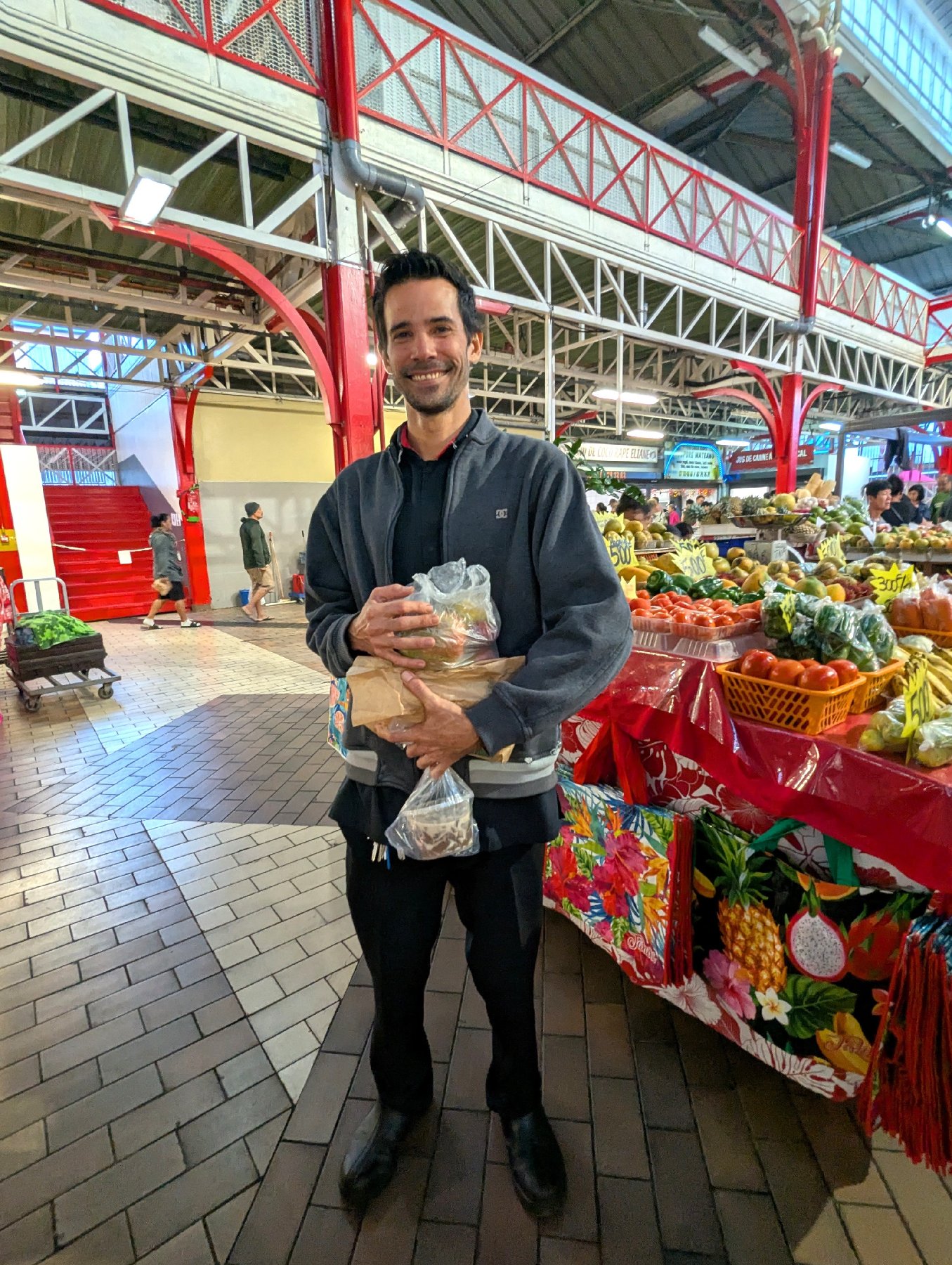

At 6 a.m. on Sunday, the streets of Papeete, the capital of Tahiti, were jam-packed with cars and people moving in the same direction. My guide and driver, Vanessa of Manava Tours, circled a few times before finally snatching a spot. Our destination? Le Marche, the old marketplace in French Polynesia -- "the oldest institution in the archipelago" -- that has provided sustenance to the local denizens for more than 155 years.
"Everyone shops early on Sunday," Vanessa said, "before they go to church. Then they return home to make Sunday feast."
It was a rare privilege to witness this slice of authentic Tahitian life. In the same location since 1869, the crowds, colors, aromas, smiles and uplifting atmosphere were a sight for sore eyes. From fishermen, farmers and chefs to flower-sellers, pearl-farmers and artisans to families and tourists. Young and old, they all come. Two blocks from the beach and within walking distance of the former colonial-era residence and gardens of Queen Pomare IV (now home to the Legislature), the marketplace is still the heart of Tahiti.
During the week, market activity takes place within the property of the two-story 75,000-square-foot metal structure. On Sundays before sunrise, it transforms into a vibrant outdoor scene: vendors spilling onto the streets, shoppers mingling, and exquisite displays of produce, meats, the morning catch from the sea, flowers, crafts and clothing made in the islands.
We met up with French-Tahitian Chef Tereva Galopin, owner of Le Sully French bistro located across the street. Pulling a packed wagon, he and his colleague had finished the bulk of their shopping. He had a few more items to buy, so together we ventured back to the busy market. At his restaurant, he introduced me to the flavors and textures of a traditional Polynesian breakfast: taro root, uru (revered breadfruit), varieties of bananas, poisson cru (Tahiti's national dish of fresh raw tuna marinated in coconut milk, crunchie veggies and lime juice), crispy roasted pork and a dreamy tapioca-like dessert with a hint of charcoal -- the explosive ingredient, no pun intended.
Just as the marketplace is a daily ritual for the Tahitian people, the sea is a sanctuary of life where food is sourced and essential for subsistence, transportation and commerce. Since ancient times, respect and stewardship of the ocean has been the way of life for French Polynesians. What we witness today in the islands is a direct result of those efforts: pristine waters abundant with coral, shark and fish species. The region's ancient practices of resource management were recognized at the June 2025 United Nations Ocean Conference with the prestigious designation of the World's Largest Marine Protected Area.
Another gift from the sea is the profound sense of calm and peace that happens when a person is near, on or under a body of water. Called the Blue Mind effect, this theory was pioneered by marine biologist Dr. Wallace J. Nichols in collaboration with leading neuroscientists. They clarified that proximity to water reduces stress hormones while increasing dopamine and serotonin -- the "happy" hormones. This explains the joyful mind frame for which the Tahitian people are famous.
The theory proved itself when I embarked on boating experiences with caring crews who helped me shatter my longtime fear of open water: Snorkeling through a magical underwater world of marine life and coral reef gardens; "happy hour" in waist-high water on a shallow lagoon (and nothing to hang onto) while Captain Naea Bourez of Kaoriki Tours prepared lunch on the catamaran; and at Teahupo'o Peninsula in the wild southwest, the domain of professional surfers -- and chestnut-tree forests where locals swim in crystal-clear streams.
In this rugged region where cliffs meet the sea, secluded caves are reachable only by boat with local captains skilled at navigating strong currents and shallow coral-rich waters. Our turbulent approach to the cave would satisfy any adventure-seeker, but crossing the threshold into the darkness of the grotto was another dimension as we bobbed in utter silence broken only by the rhythm of dripping water.
And from these waters come mythical tales of the rare Tahitian pearl or black pearl, believed by ancestors to be tears of the gods dropping into the sea and captured by oysters living in the waters.
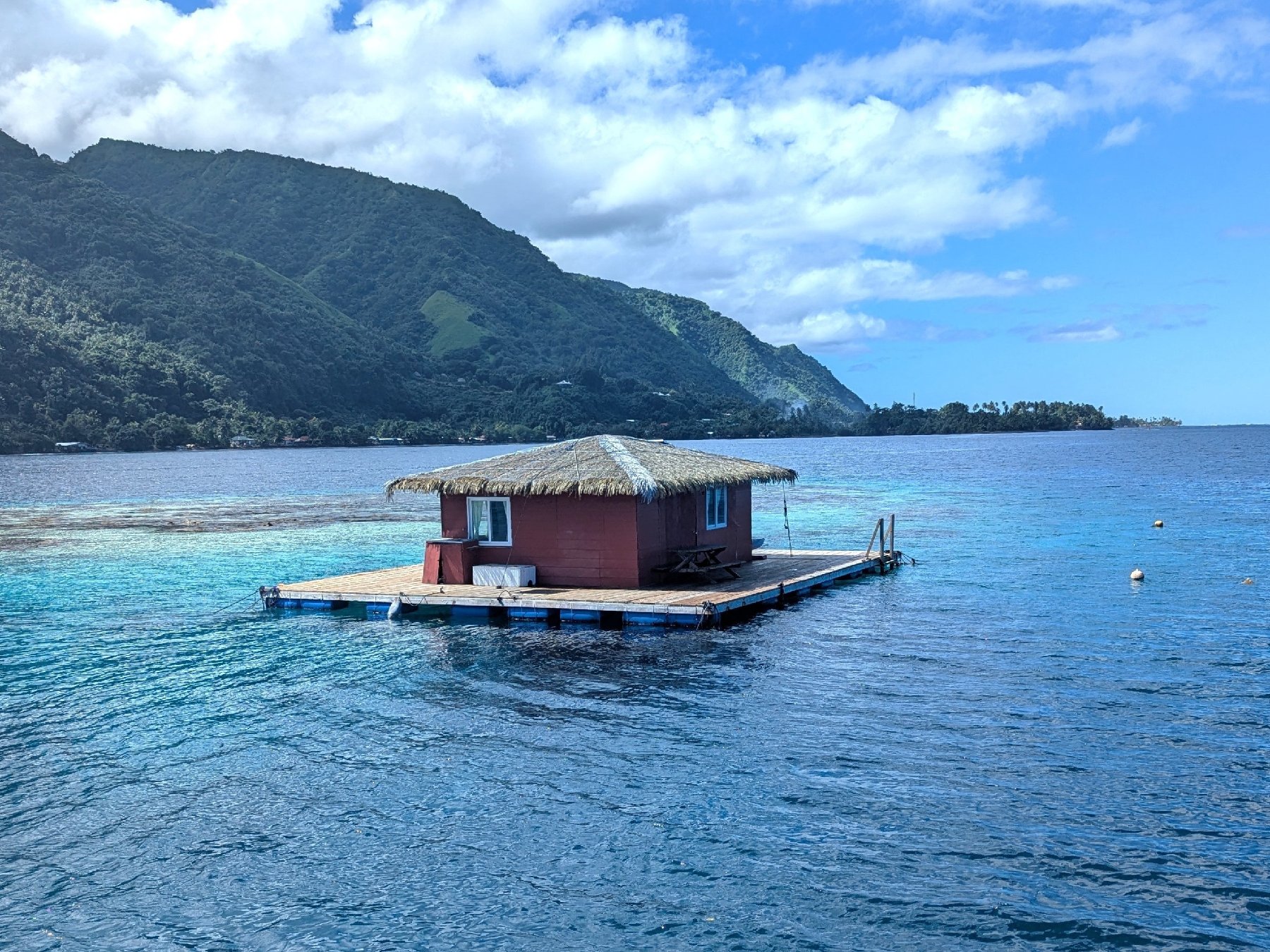
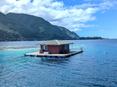
We boated to a floating hut -- an oyster farm -- where we met Rama and her husband, who own and operate this small farm of 12,000 oysters. Not a pearl-diver, she educates visitors about the cultivation of the black pearl.
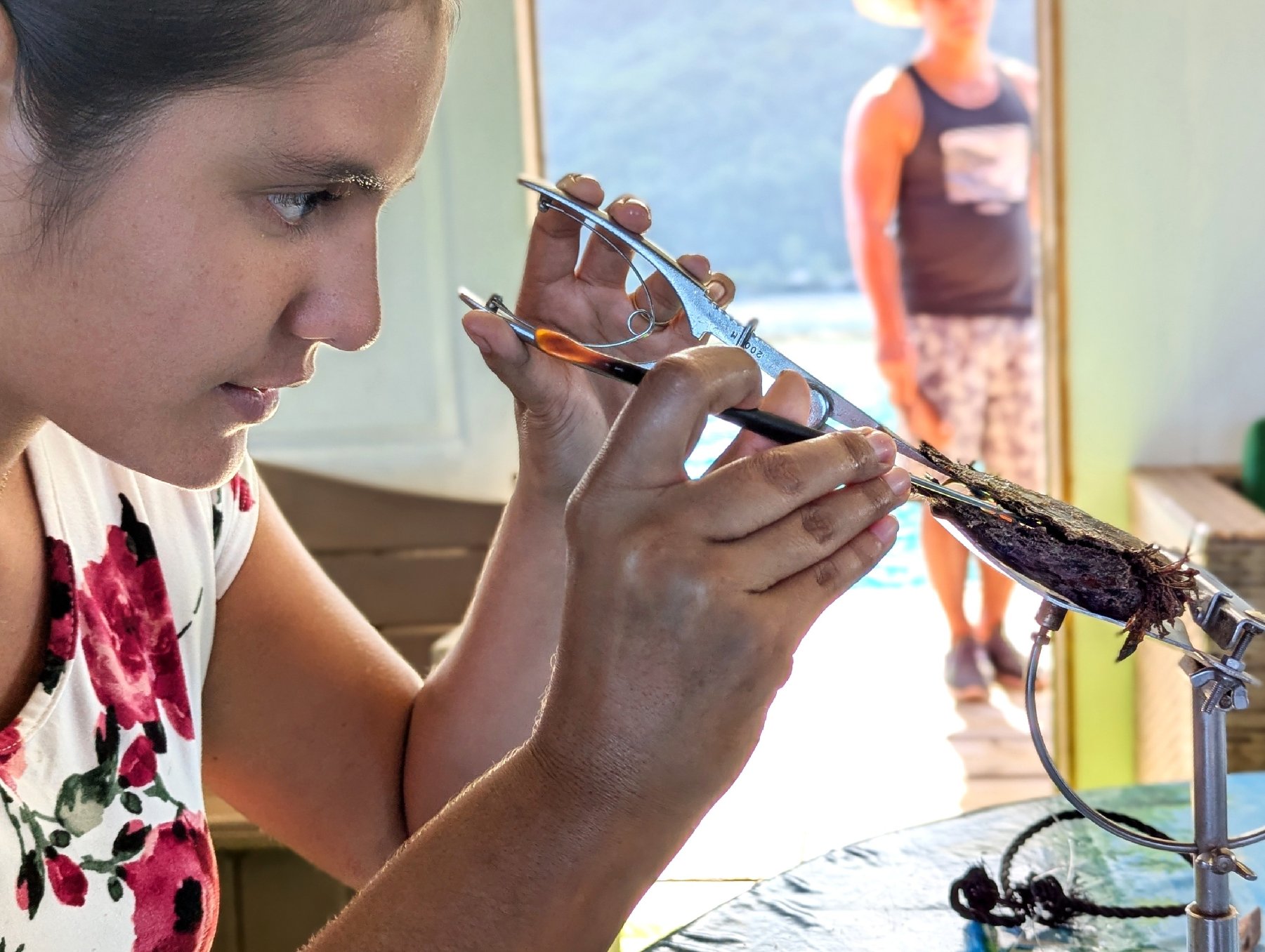
From the nucleus (seed bead) made from a perfect piece of high-quality freshwater mussel shell from the Mississippi Basin in the United States to grafting (placing the nucleus and oyster tissue into the host oyster) to the "nurturing cycle" (about 24 months), the pearl is born. During this process, the inner shell layer nacre (mother of pearl) forms a sac around the nucleus to form the final pearl.
The rare Tahitian pearl is the only naturally dark pearl. It comes from black-lipped oysters (Pinctada margaritifera) that thrive in the archipelago's ideal habitat of warm, clean, nutrient-rich and reef-protected lagoons.
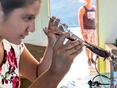
Guests keen on diving for their own pearl can take a dip off the platform to choose their oyster hanging underwater in its own protective mesh pocket. Inside the hut, with a microscope and special tools in hand, Rama gently pops the pearl from the gonad, and the pearl is born -- again.
----
IF YOU GO:
Manava Tours, Kaoriki Tours and Teahupoo Surfing Expedition with Tahiti Boat Excursion and Surf: tahititourisme.com
Where I stayed: Hilton Hotel Tahiti: hilton.com
Te Moana Tahiti Resort: temoanatahitiresort.pf
French Polynesia designated World's Largest Marine Protected Area in June 2025 by the United Nations Environmental Program:
----
unep-wcmc.org/en/news/worlds-largest-marine-protected-area-french-polynesia
========
Athena Lucero is a freelance writer. To read features by other Creators Syndicate writers and cartoonists, visit the Creators Syndicate website at www.creators.com.
Copyright 2026 Creators Syndicate, Inc.























Comments