Watch Your Step: Bushes, Trees and Other Foliage Your Feet Won’t Appreciate
Published in Home and Consumer News
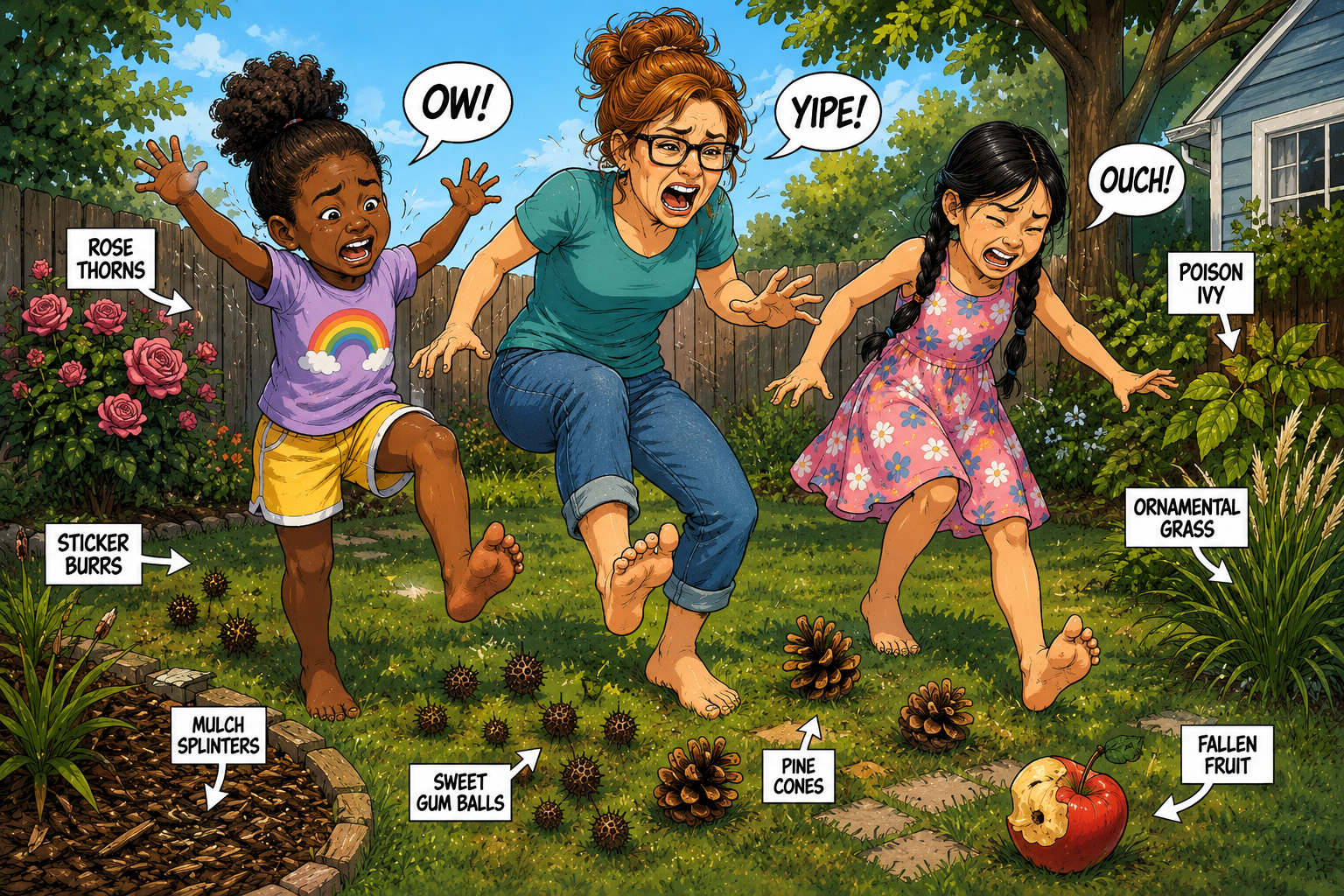
By the time summer arrives, many Americans are eager to spend more time outdoors — gardening, hiking, walking the dog, or simply wandering across the backyard in bare feet. While grass lawns and sandy beaches may seem harmless, landscaping and wild foliage can quickly turn a relaxing stroll into an unpleasant encounter with thorns, sap, burrs, or irritating oils.
Experts say most foot-related outdoor injuries are minor, but they are surprisingly common. Splinters, punctures, allergic reactions, and hidden insect encounters tend to happen when people least expect them — especially in yards and parks that appear familiar and safe.
“People think of rocks and hot pavement as the danger,” said horticulture educator Denise Harrow of Virginia Cooperative Extension. “But plants are often the thing that gets them first.”
Sticker Burrs: Tiny Problems With Big Attitudes
Among the most universally disliked ground hazards are sticker burrs, also known as sandburs or grass burrs. These small, spiny seed pods cling aggressively to skin, socks, pet fur and nearly anything else they encounter.
Found commonly in dry lawns, vacant lots and roadside areas throughout the South and Midwest, burrs can create a painful surprise even for people accustomed to walking outdoors barefoot.
Children and pets are especially vulnerable because burrs tend to scatter widely and hide among otherwise soft grass.
Landscape professionals recommend mowing regularly and removing burr-producing weeds before they go to seed. Once established, however, burr patches can linger stubbornly for years.
Poison Ivy Isn’t Just a Hand Problem
Many people associate poison ivy with itchy arms after yardwork, but the plant can also irritate feet and ankles. The oily compound urushiol — responsible for the rash — transfers easily from stems and leaves to skin.
Poison ivy thrives along fences, wooded edges, creek banks and neglected landscaping. It often mixes into decorative shrubbery where homeowners may not notice it immediately.
The old saying remains useful: “Leaves of three, let it be.”
Experts warn that even dormant vines in winter may still contain irritating oils. Shoes offer protection, but so does simply learning to identify the plant in all seasons.
Poison oak and poison sumac pose similar risks in some regions.
Rose Bushes Don’t Care About Your Plans
Rose gardens may be beautiful, but they are notoriously unforgiving to exposed skin. Fallen thorns beneath trimmed bushes are especially easy to miss.
Gardeners often focus on protecting their hands while pruning roses, yet forgotten thorn fragments on pathways or patios frequently end up embedded in feet later in the day.
Some thorn punctures can become infected if not cleaned properly. Medical professionals advise monitoring any redness, swelling or warmth around the injury site.
Blackberry and raspberry canes present similar hazards, especially wild varieties growing along trails or property edges.
The Sneaky Danger of Decorative Grasses
Modern landscaping increasingly favors ornamental grasses because they are drought-resistant and visually dramatic. Unfortunately, some species develop razor-sharp edges capable of slicing skin surprisingly easily.
Pampas grass is especially infamous. Its long leaves can produce paper-cut-like injuries that sting intensely.
Japanese silver grass and several sedge varieties can also irritate ankles and toes when brushed repeatedly.
Homeowners planting ornamental grasses near patios, pools or walkways are encouraged to leave generous clearance zones.
Pine Cones, Sweet Gum Balls and Nature’s Lego Bricks
Not all foliage-related foot pain comes from sharp plants. Sometimes the problem is simply stepping on hard debris hidden in grass.
Sweet gum trees, common throughout much of the eastern United States, drop spiky seed balls that many homeowners consider one of the least pleasant barefoot experiences imaginable. The round pods are difficult to rake completely and seem capable of appearing endlessly.
Large pine cones can also create ankle-turning hazards, particularly when concealed under needles or leaves.
Even acorns and magnolia pods can become surprisingly painful underfoot when stepped on awkwardly.
Mulch Beds Are Their Own Ecosystem
Walking through mulch barefoot may seem harmless, but landscapers warn that mulch beds often conceal splinters, insects, fungi and hidden pruning debris.
Cedar mulch can produce sharp fragments, while hardwood mulch occasionally contains leftover construction wood or bark shards.
Moist mulch also attracts ants, spiders and other insects that may react defensively when disturbed.
Some gardeners choose softer alternatives such as pine straw or finely shredded mulch in areas where children frequently play.
Beware the “Friendly” Backyard Tree
Even common shade trees can create uncomfortable conditions for bare feet.
Sycamores shed bark fragments. Hickories drop heavy nuts. Locust trees produce intimidating thorns capable of puncturing tires, much less skin.
Meanwhile, eucalyptus trees shed strips of bark and oily debris that can create slippery surfaces around pools and patios.
Fruit trees introduce another complication entirely: fallen fruit attracts bees, wasps and hornets. Many summertime stings occur when someone unknowingly steps near fermenting fruit hidden in tall grass.
What Outdoor Experts Recommend
Outdoor enthusiasts and podiatrists say there is no need to fear nature — only to respect it.
Basic awareness dramatically reduces most problems. Maintaining trimmed pathways, wearing gloves while gardening, and checking lawns periodically for debris all help create safer outdoor spaces.
For people who prefer spending time barefoot outdoors, experts recommend gradually building familiarity with local terrain and learning which plants dominate the area.
Carrying tweezers, antiseptic wipes and basic first aid supplies is also wise during hikes or extended outdoor activities.
And while many people cherish the feeling of cool grass underfoot, professionals note that unfamiliar areas deserve caution.
“Your own backyard changes with the seasons,” Harrow said. “One week it’s soft clover. The next week something dropped thorns, burrs, sap or seed pods overnight.”
========
Bylin Harper is a freelance features writer specializing in home, gardening and outdoor lifestyle topics. She enjoys interviewing horticulturists, park workers and ordinary people with strong opinions about lawns. This article was written, in part, utilizing AI tools.







Comments