Tiaras aren’t just for princesses
Published in Fashion Daily News
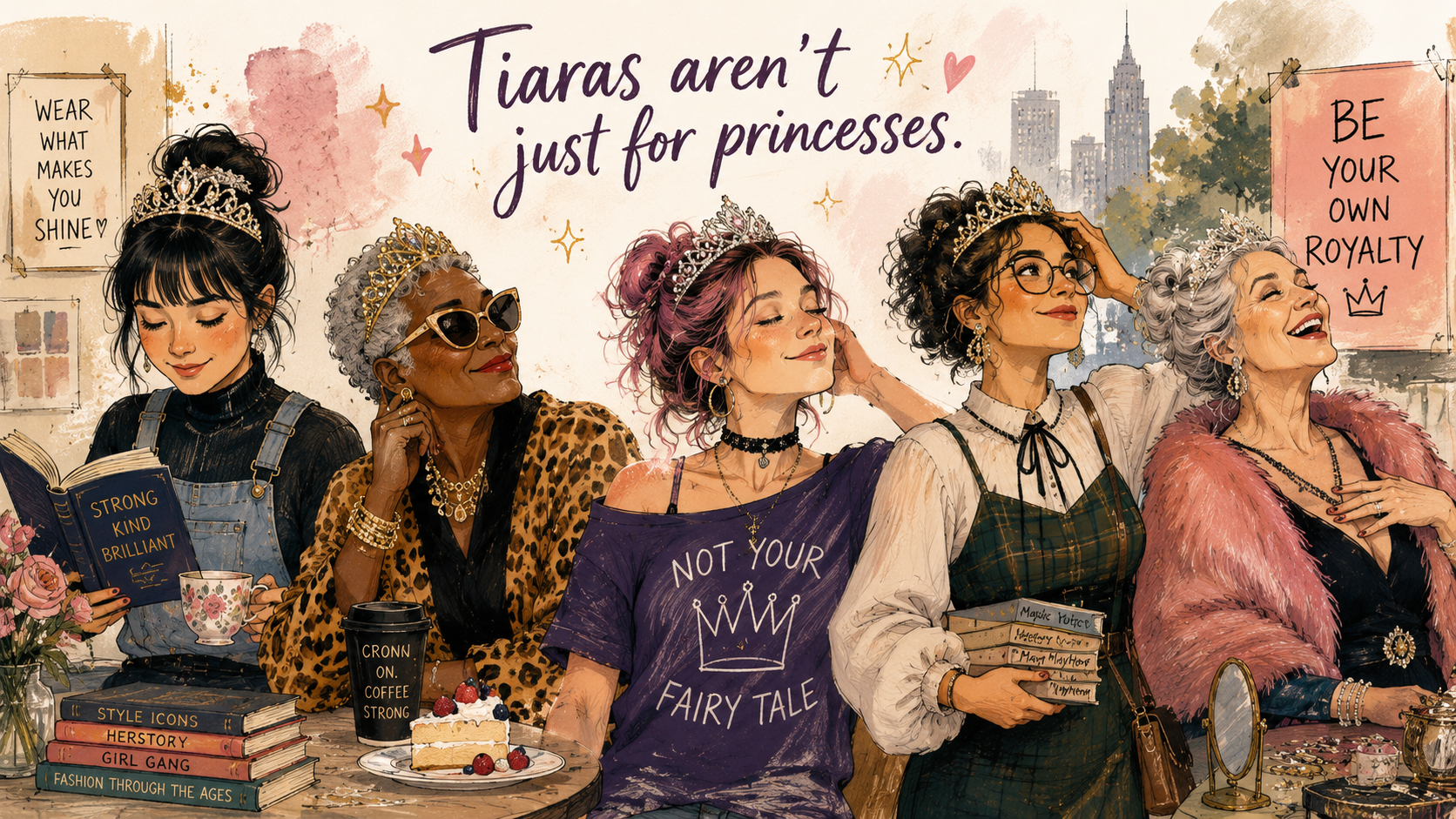
For generations, tiaras have been associated with royalty, beauty pageants and fairy tales. They glitter atop the heads of queens, brides and animated heroines, symbolizing elegance, fantasy and status. But increasingly, fashion historians, stylists and everyday wearers say the modern tiara is escaping the palace and finding a place in ordinary life.
From birthday dinners and cosplay conventions to fashion editorials and social media celebrations, tiaras are no longer reserved for aristocrats. Instead, they are being reclaimed as playful, expressive accessories worn by people seeking glamour, humor or a sense of ceremony in daily life.
The result is a cultural shift that treats tiaras less as symbols of rank and more as wearable joy.
The modern tiara revival is rooted in self-expression
Fashion experts say much of the renewed interest in tiaras comes from a broader cultural embrace of personal style and theatricality.
For decades, many people viewed tiaras as overly formal or even embarrassing outside weddings and pageants. But younger generations raised on cosplay, themed events, social media aesthetics and “main character energy” have become more comfortable wearing dramatic accessories simply because they enjoy them.
Stylists say modern wearers often pair tiaras with casual clothing rather than formal gowns. A sparkling tiara might appear with jeans, oversized sweaters or vintage concert shirts.
The contrast is often intentional.
“People are less interested in dressing appropriately and more interested in dressing memorably,” said one Virginia-based vintage jewelry dealer. “A tiara with sneakers can feel more modern than a tiara with a ballroom gown.”
Social media has accelerated the trend. Online creators frequently incorporate crowns, rhinestones and fantasy-inspired accessories into everyday outfits, treating glamour as a mood rather than a special occasion.
Historical tiaras were often deeply personal
Historians note that tiaras were not originally designed only for queens and princesses. Throughout Europe and parts of Asia, ornate headpieces have historically marked everything from weddings and coming-of-age ceremonies to wealth and family identity.
In the 19th century, tiaras became especially popular among wealthy women attending formal social events. Some pieces were heirlooms passed through generations, while others were customized to reflect personal taste.
Certain tiaras could even be disassembled into necklaces or brooches, making them practical investments as well as decorative objects.
Today’s tiara revival often borrows from those historical traditions while shedding the rigid social rules surrounding them.
Vintage-inspired tiaras, floral crowns and crystal headbands now appear at birthday parties, renaissance fairs, literary conventions and themed gatherings where self-expression matters more than etiquette.
Adults are increasingly embracing “play” fashion
Fashion psychologists say the popularity of tiaras reflects a broader shift toward playful adulthood.
For many adults, especially after years of economic uncertainty and social stress, whimsical accessories provide a form of emotional relief and visible self-celebration.
Bright colors, novelty handbags, fantasy-inspired clothing and decorative jewelry have all seen increased popularity in recent years. Tiaras fit naturally into that movement.
Some wearers describe them as confidence boosters. Others say they simply enjoy the ritual of wearing something beautiful and impractical.
“It feels impossible to have a terrible attitude while wearing a tiara,” one convention attendee joked during a fantasy-themed event in Richmond, Virginia. “You sort of commit to delight.”
Experts say these choices can become especially meaningful for older adults who no longer feel pressure to dress conventionally.
Women in particular are often encouraged to become visually subdued with age, favoring neutral clothing and restrained accessories. The resurgence of playful fashion pushes against that expectation.
A silver-haired woman wearing a crystal tiara to brunch may not be attempting to appear youthful. Instead, she may simply be asserting that joy and ornament do not belong exclusively to the young.
Not all tiaras are expensive
While genuine royal tiaras can be worth millions of dollars, most modern versions are accessible and relatively affordable.
Department stores, costume suppliers, artisan jewelers and online retailers sell tiaras ranging from inexpensive rhinestone pieces to handcrafted silver creations.
Collectors say many newcomers are surprised by the variety available. Some designs are delicate and understated, while others intentionally lean into dramatic fantasy aesthetics.
Vintage stores have also become popular sources for older costume jewelry headpieces from the mid-20th century. Many are inexpensive compared to fine jewelry but still provide the same visual drama.
Stylists recommend focusing less on “rules” and more on proportion and comfort. Smaller tiaras or crystal combs often work well for everyday styling, while larger statement pieces are popular for events and photography.
The key, they say, is confidence.
“Tiaras fail when someone wears them apologetically,” said one costume designer. “If you commit, people usually accept it immediately.”
Royal fantasy still holds cultural power
Even in an era skeptical of institutions and aristocracy, royal imagery continues to captivate audiences.
Part of that fascination comes from fantasy storytelling. Fairy tales, historical dramas and fantasy franchises continue to shape how people think about crowns, gowns and ceremonial fashion.
But cultural analysts say the appeal also stems from a deeper desire for ritual and significance in ordinary life.
Modern life often lacks formal moments of transformation or celebration outside weddings and graduations. Decorative clothing and accessories can help create small personal rituals in response.
A tiara worn during a birthday dinner, girls’ night out or retirement party can transform an ordinary evening into something memorable and symbolic.
That emotional function may explain why tiaras continue appearing far beyond royal circles.
“They make people feel special,” one jewelry historian said. “And honestly, most people need more excuses to feel special.”
========
Maren Vale covers fashion, pop culture and modern lifestyle trends, with a focus on how everyday people reinterpret glamour and tradition. This article was written, in part, utilizing AI tools.


Comments